The Natural Look
Why Imperfect Fabrics Are Taking Over Interiors
What Does “Natural Look” Actually Mean?
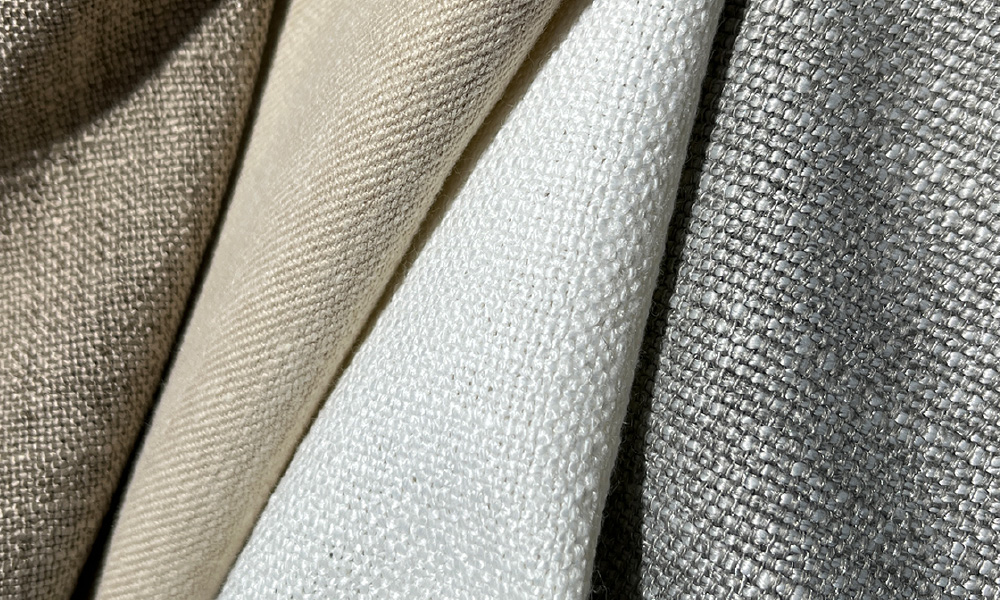
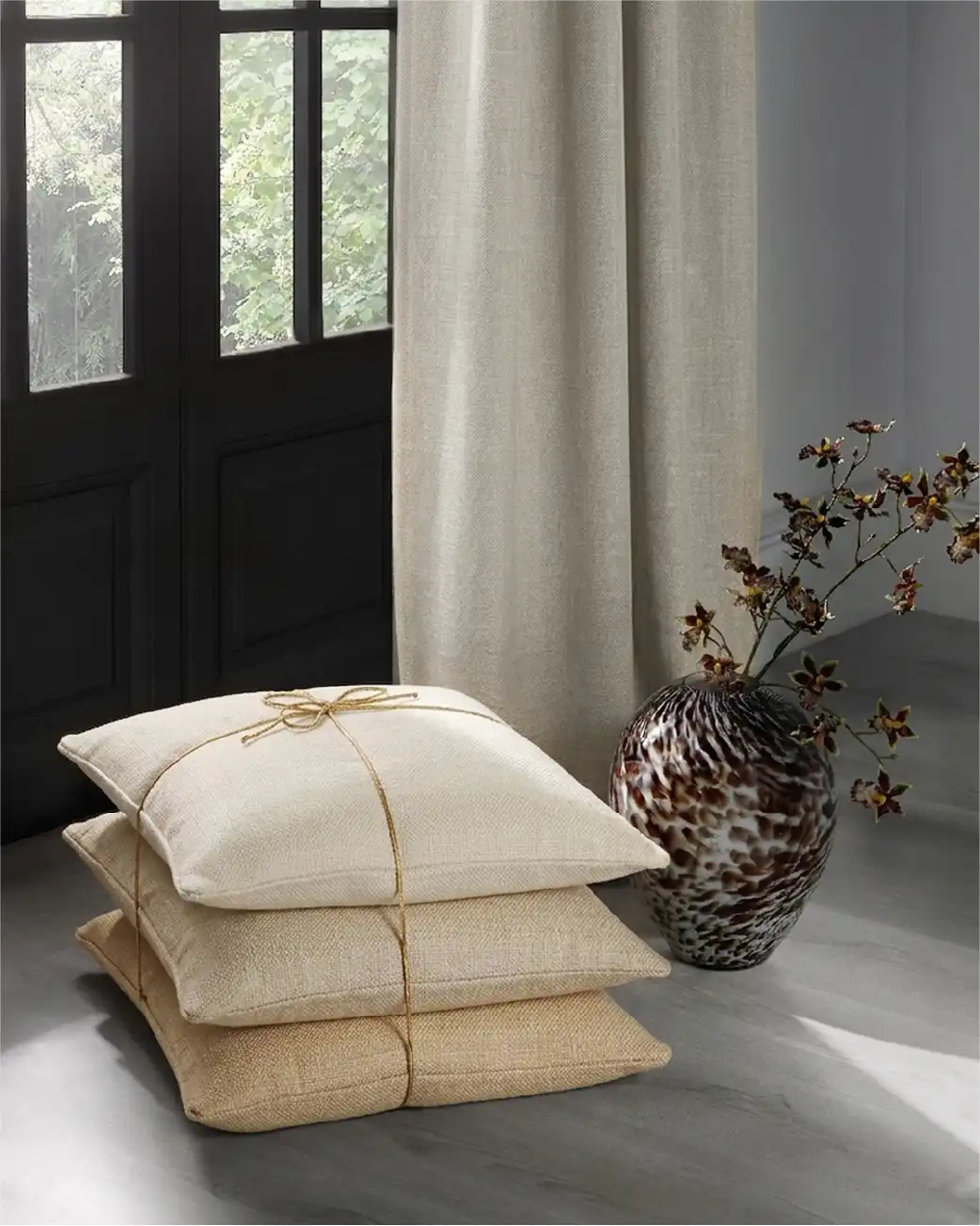
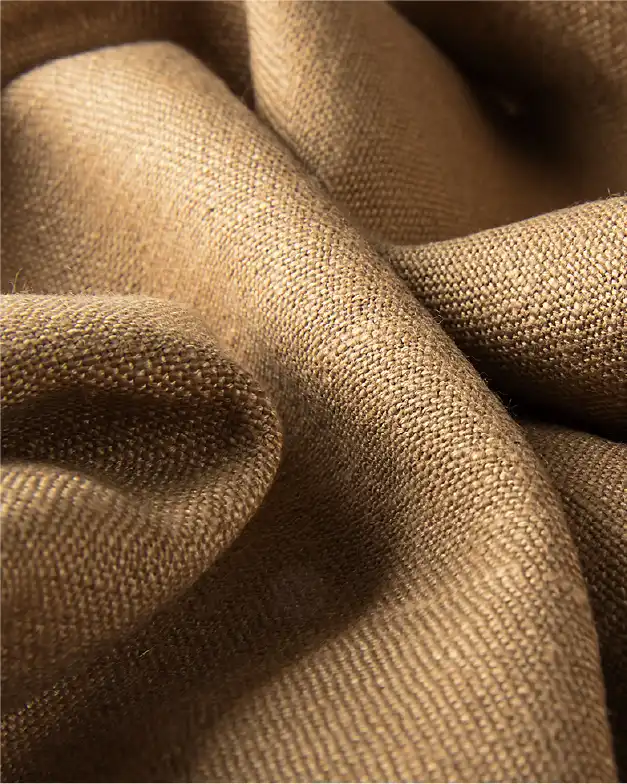
The natural look isn't a single fabric or fiber, it's an aesthetic built from a shared set of qualities. Think raw, unbleached tones. Slightly uneven textures. Matte finishes instead of high shine. Fabrics that look like they came from a plant or an animal rather than a factory, even when some of them did come from a factory
This is the material language behind design movements people now call coastal, Scandinavian, Japandi, and modern farmhouse. Different labels, same instinct: rooms that feel calm rather than curated, lived-in rather than staged. Natural-look fabrics don't shout for attention the way silk or velvet might. They just sit there, quietly making a room feel more human.
EXPLORE NATURAL LOOKWhere It Shows Up Best
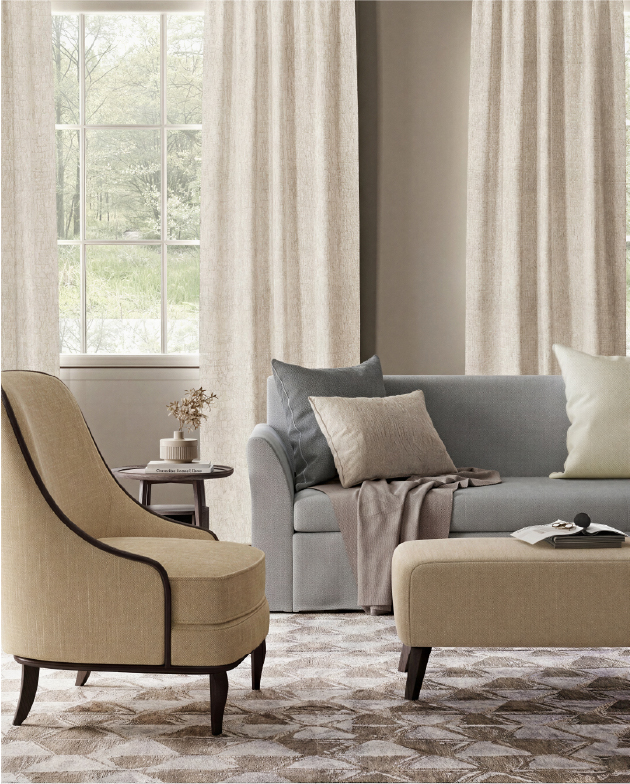
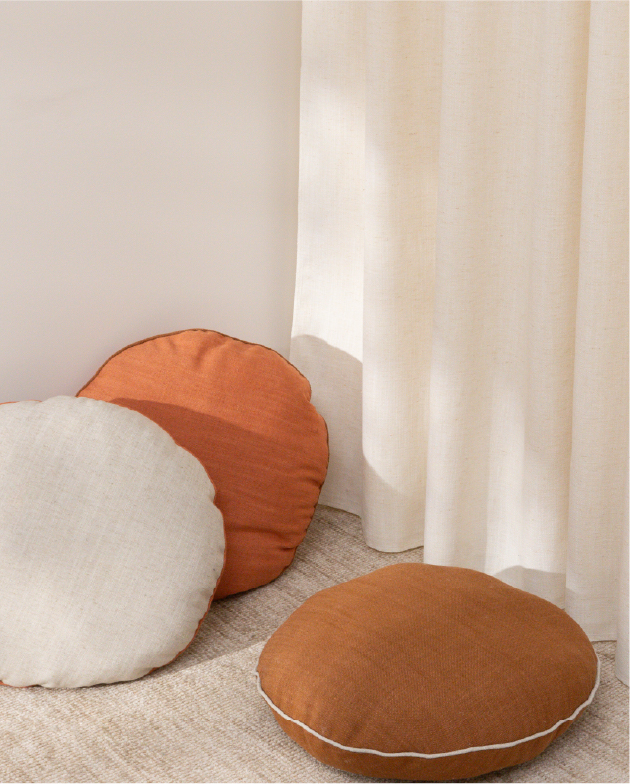
The natural look tends to shine brightest in a few specific spots. Curtains are perhaps its most iconic use, natural-fiber drapery filters light instead of blocking it entirely, giving rooms a soft, diffused glow rather than harsh brightness or total darkness. Slipcovers and sofa upholstery are another natural fit, since these fabrics tend to drape in a way that makes furniture feel inviting rather than stiff. Bedding is where the trend has exploded recently, natural-fiber sheets have a lived-in coolness that's become a genuine status symbol in home design. And for smaller touches, natural-look napkins, table runners, and throw pillows bring texture into a space without asking for much commitment.
Characteristics
A few qualities show up again and again across natural-look fabrics, and each one comes with a real, practical upside.
Texture over shine.
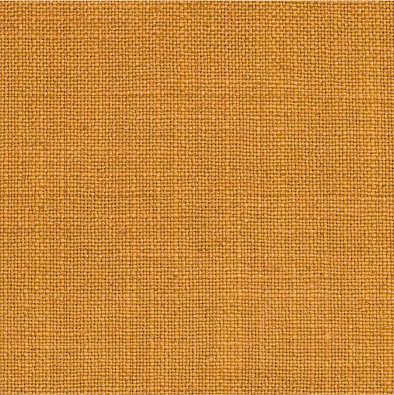
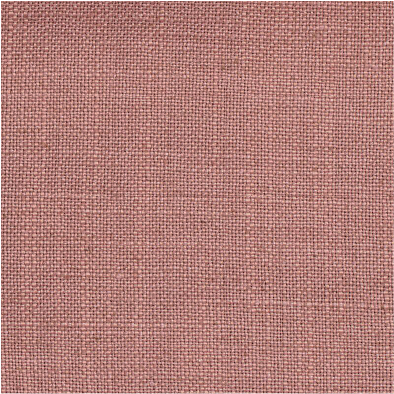
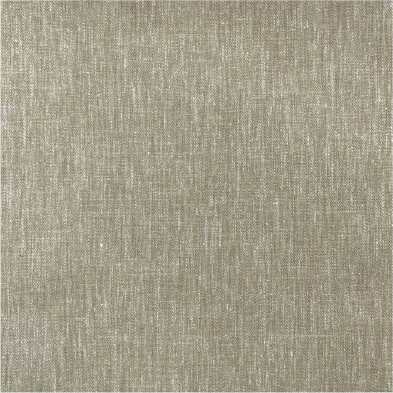
Natural-look fabrics favor a matte, slightly uneven surface, small slubs, visible weave, soft irregularities, over any kind of gloss. The benefit: rooms feel calmer and less formal, since matte surfaces don't compete with light the way shiny fabrics do.

Breathability.
Fibers like linen and cotton are naturally porous and often hollow at the strand level, which lets air move through them. The benefit: these fabrics stay cool to the touch and don't trap heat, making them especially comfortable for bedding, curtains, and upholstery in warm rooms.

Earthy color palette.
Natural-look fabrics tend to stay close to their undyed or lightly dyed state, think oatmeal, flax, stone, and soft white. The benefit: an easy neutral base that works with almost any other color or texture in a room, without ever clashing

Durability with honesty.
Many natural fibers, linen especially, are surprisingly strong and long-wearing despite their soft appearance. The benefit: furniture upholstered in these fabrics can hold up for years, even as the surface texture continues to relax and mellow.