Velvet for Interiors
The Fabric That Makes a Room Feel Important
Some fabrics ask to be noticed. Velvet doesn't ask, it simply is noticed. There's something about the way it catches light, deep in one direction, glowing in another, that makes even a single velvet chair feel like the most important object in a room. It's been the fabric of thrones, theaters, and old-money drawing rooms for centuries, and it hasn't lost a bit of that gravity.
What Is Velvet?
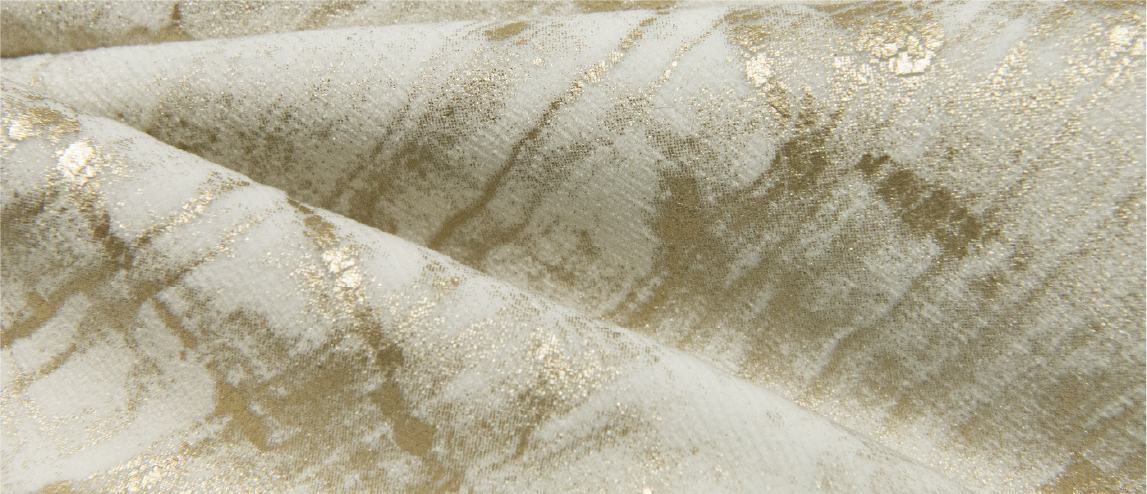
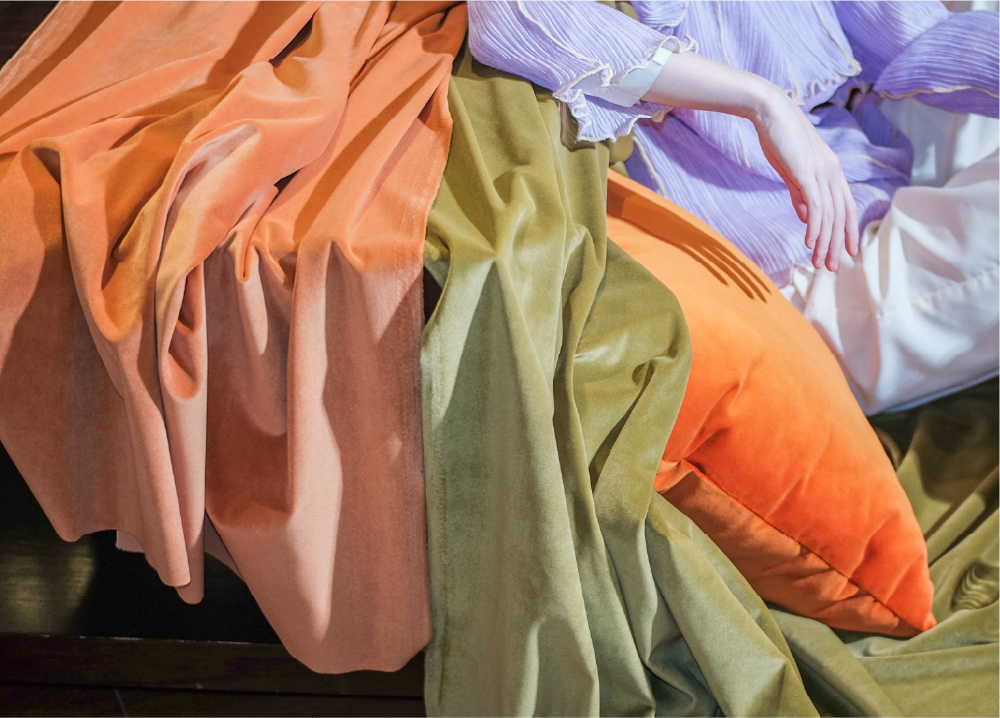
Velvet isn't defined by fiber but by construction. It's a woven pile fabric, meaning short, densely packed fibers stand upright from a base weave rather than lying flat. That upright pile is what gives velvet its plush hand and its signature light-catching depth, run a hand across it one way and it looks dark, run it the other way and it looks noticeably lighter.
Traditionally, velvet was woven from silk, an expensive, labor-intensive process that made the fabric a symbol of wealth for much of history. Today, most velvet used in interiors is made from cotton, linen, viscose, polyester, or blends of these, each shifting the fabric's sheen, softness, and price point. Silk velvet still exists and remains the most luxurious option, but synthetic and blended velvets have made the look accessible for everyday furniture without sacrificing much of the drama.
Characteristics of Velvet

A directional pile. Velvet’s fibers all lean in one direction, which means the fabric changes color and depth depending on the angle it's viewed from. This is called "shading" or "watermarking," and it's a natural characteristic, not a flaw.

Rich, deep color. Because the upright pile absorbs and reflects light differently than a flat weave, colors on velvet often look more saturated and dimensional than the same shade on a smoother fabric

A soft, plush hand. Velvet’s dense pile gives it an unmistakably luxurious feel underhand, smooth, soft, and slightly cushioned.

Weight and drape. Velvet tends to be heavier than flat-woven fabrics, which gives it a fluid, substantial drape, especially noticeable in curtains, where it falls in soft, heavy folds rather than crisp pleats.
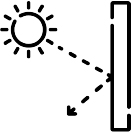
A reflective, almost liquid sheen. almost liquid sheen. Unlike satin's glassy shine, velvet's light reflects in a softer, more diffused way, giving it a glow rather than a glare.
Where Velvet Works Best
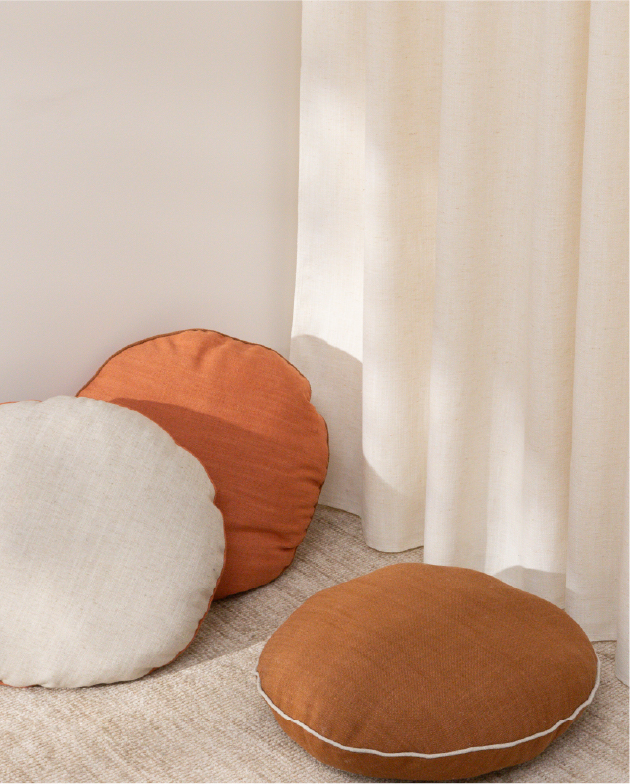
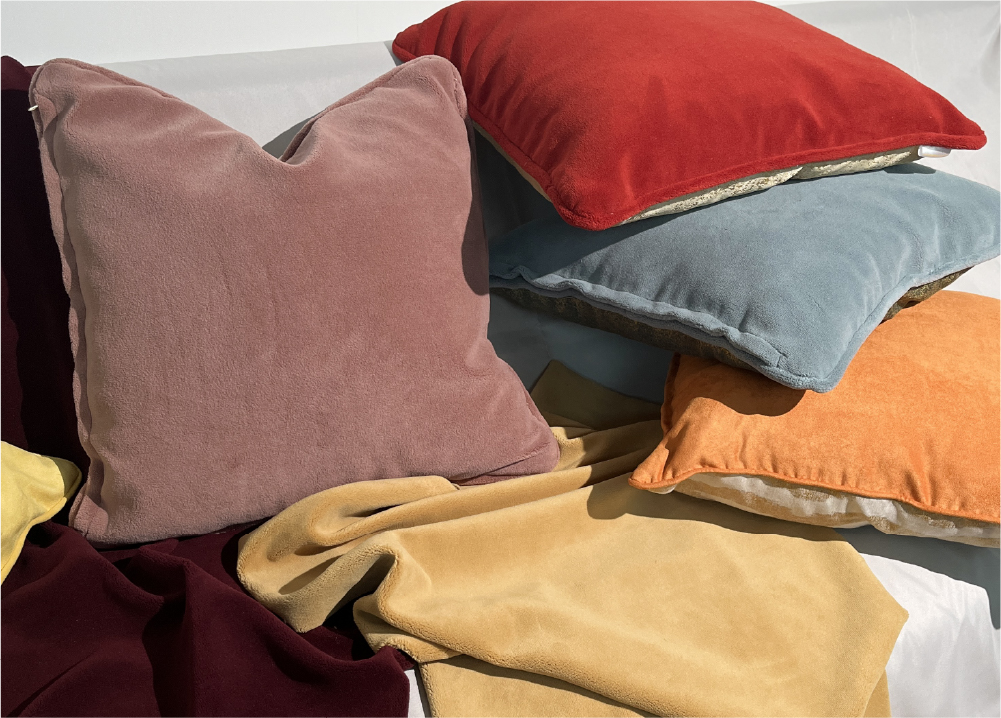
Velvet is a natural fit for sofas and armchairs, especially statement pieces meant to be the visual center of a room. Curtains and drapery in velvet bring both drama and function, since the fabric’s weight also provides insulation and light-blocking. Headboards upholstered in velvet bring a bedroom’s focal point into something closer to a boutique hotel. Smaller doses work beautifully too, throw pillows or a single velvet bench can introduce richness without demanding a full commitment.
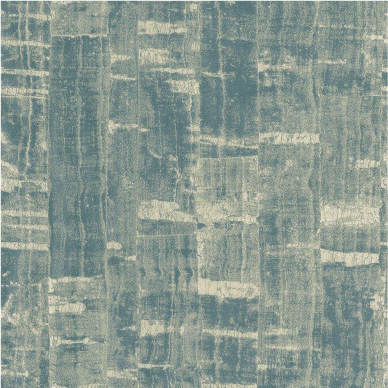
Velvet tends to shine brightest in formal living rooms, moody bedrooms, dining rooms meant for entertaining. That said, modern interiors increasingly use velvet in soft, muted tones, like sage, oatmeal, or dusty blue, to bring in the fabric’s texture and depth without tipping a space into full-on opulence.