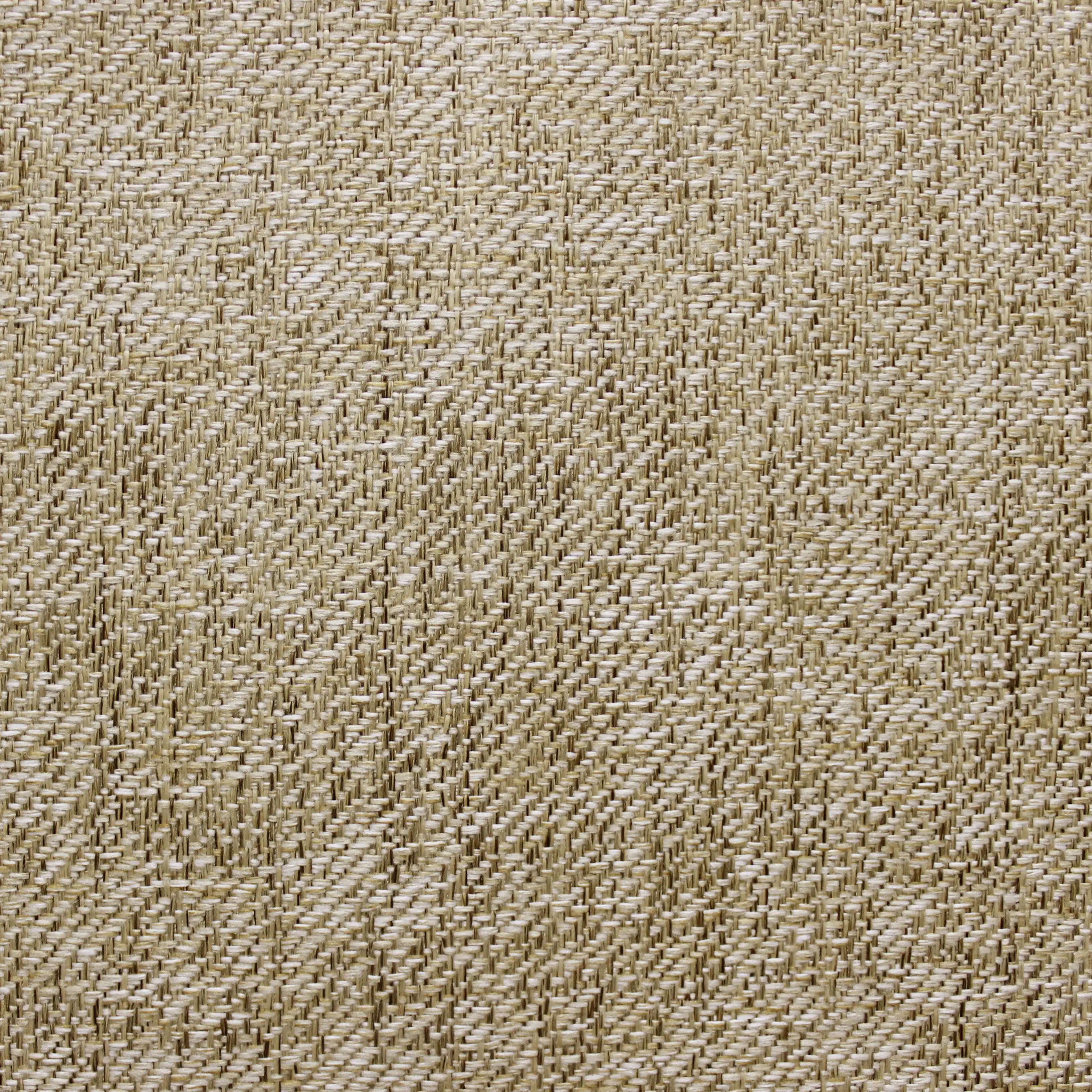
Interior Fabrics That Bring Soul to a Room
When selecting upholstery, it is tempting to focus solely on the hand-feel, the weave, or the color story. However, for interior designers and project managers, understanding the distinction between residential (non-contract) and contract-grade fabrics is the most critical decision in a project's lifespan.
Defining the Difference
The difference is not merely about quality; it is about intended environment.
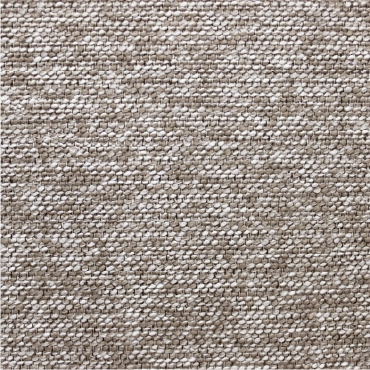
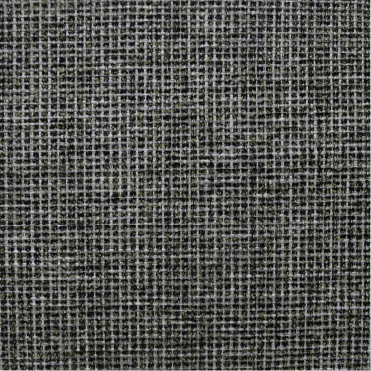
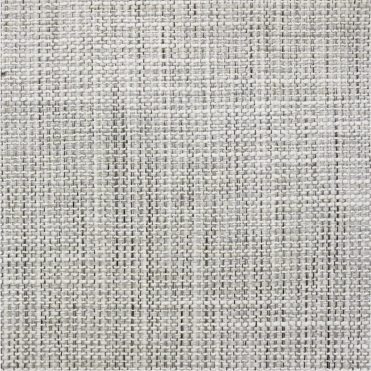
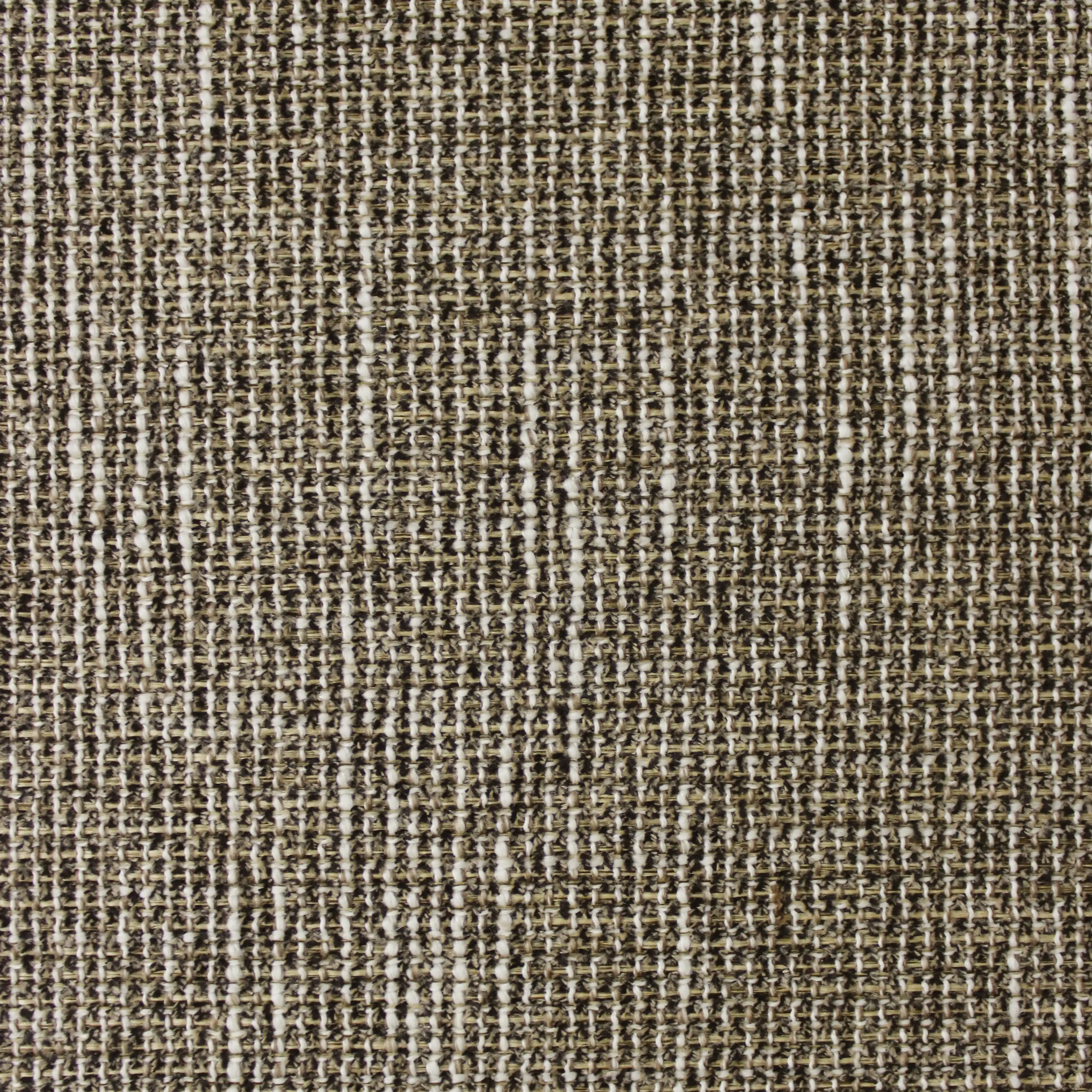
Residential Fabrics: These textiles are crafted for the home—a low-traffic, controlled environment where aesthetics and comfort take precedence. They are designed for limited daily use and are not intended to face the rigors of public interaction.
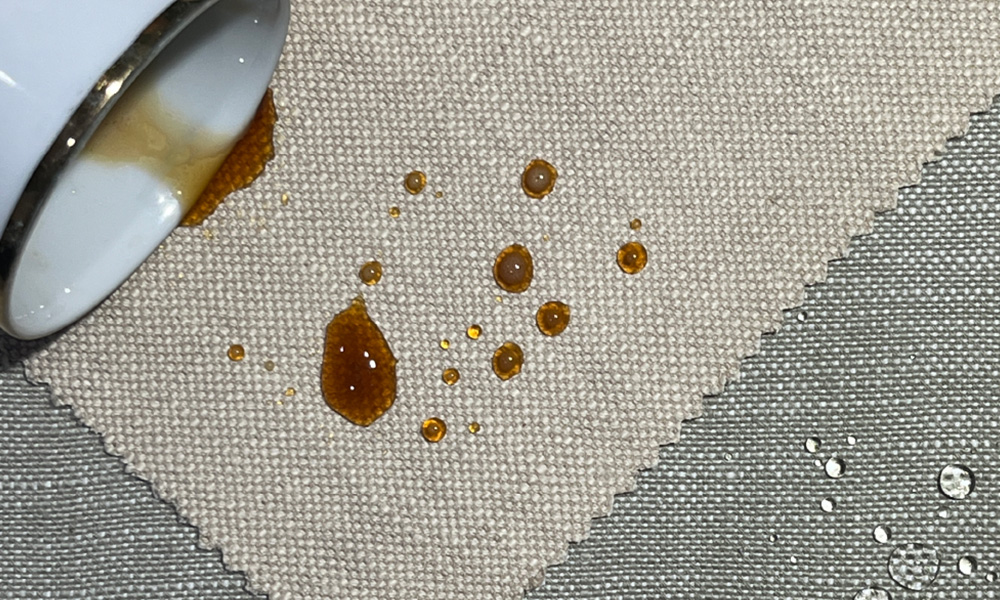
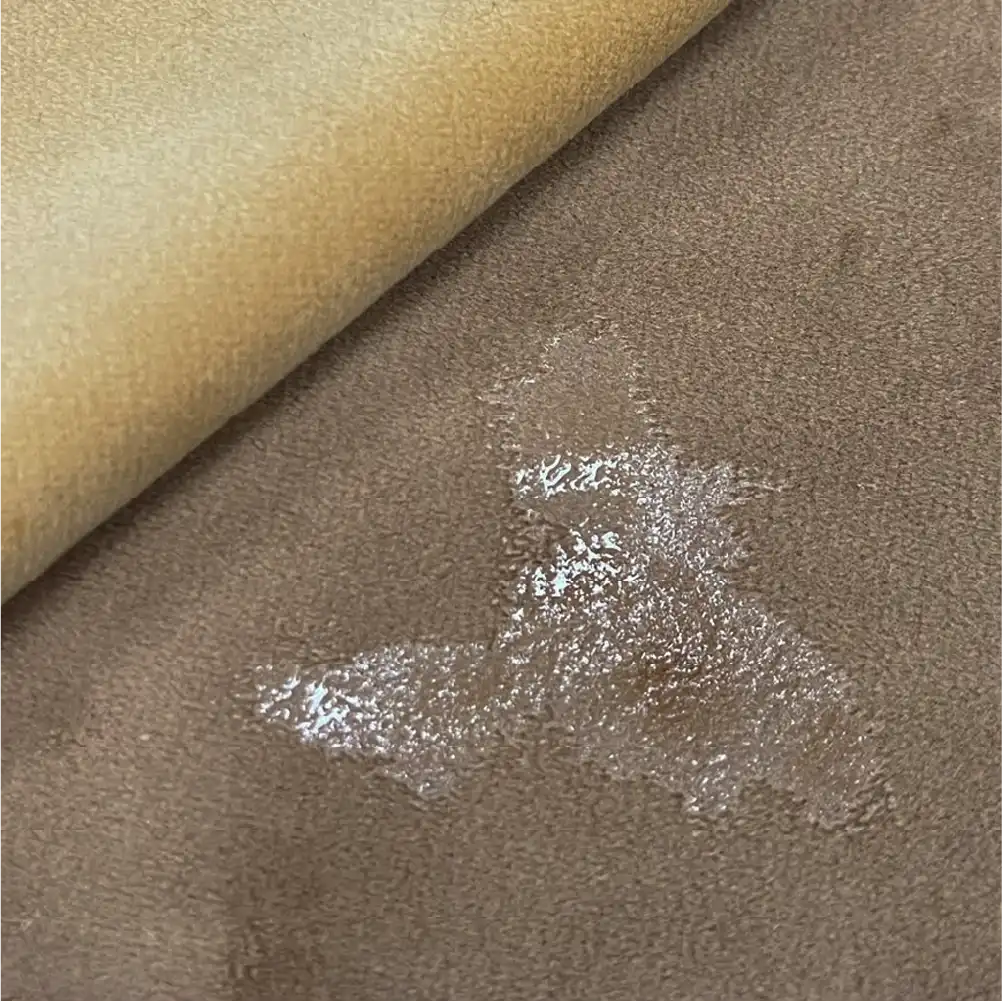
Contract Fabrics: Often referred to as "commercial grade," these textiles are engineered for endurance. They are designed for high-traffic environments like hotels, offices, and healthcare facilities, where they must perform consistently under heavy, unpredictable use.
Using a residential fabric in a commercial space is a significant oversight that can lead to rapid degradation. Contract fabrics are subjected to rigorous testing—such as the Wyzenbeek or Martindale methods for abrasion resistance—to ensure they can withstand tens of thousands of "double rubs" without thinning, tearing, or pilling. When you specify contract-grade, you are investing in the longevity of the furniture and the integrity of the design.