Tweed for Interiors
The Fabric That Brought the Outdoors Inside
What Is Tweed?
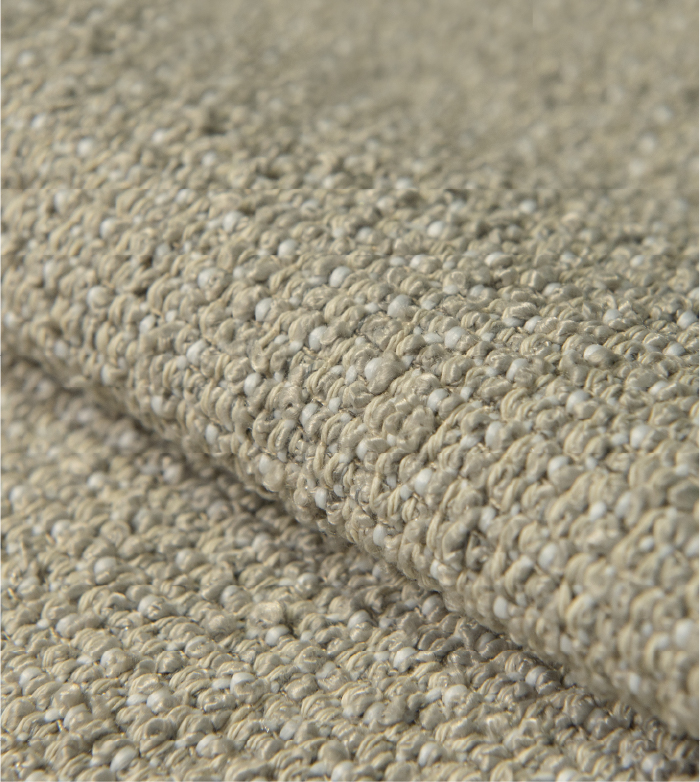
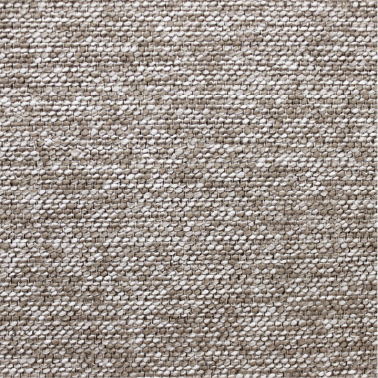
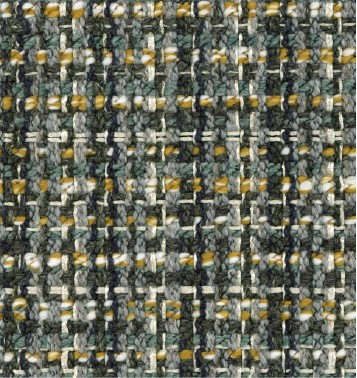
Tweed is a rough, woolen fabric woven from two or more colors of yarn, which is what gives it that flecked, heathered look up close. Unlike bouclé, whose texture comes from the yarn itself, tweed’s character comes mostly from the weave and the color mixing, small variations in shade that blend together into a single, complex tone from a distance.
The name likely comes from a mispronunciation of “tweel,” the Scots word for twill, one of the weaves traditionally used to make it. Tweed has been produced in Scotland and Ireland for centuries, originally developed as practical outerwear fabric for farmers, hunters, and estate workers who needed something warm, water-resistant, and tough enough to handle rough countryside.
Where Tweed Works Best
Tweed is especially suited to accent chairs and armchairs, where its texture and heritage feel can genuinely become the focal point of a room. Sofas in tweed bring a cozy, substantial presence, particularly in living rooms with a traditional, cabin, or academic aesthetic. Ottomans and footstools benefit from tweed’s durability, since they tend to take a beating from feet and daily use. Smaller doses work well too. throw pillows or a tweed-upholstered bench can introduce the texture without committing an entire room to it.
Tweed tends to feel most natural in spaces with some warmth and history to lean into, think libraries, studies, and living rooms with wood tones, leather, and brass. That said, designers increasingly use tweed in more contemporary spaces too, where its texture provides an unexpected, grounding contrast against sleek, modern furniture.
Characteristics of Tweed
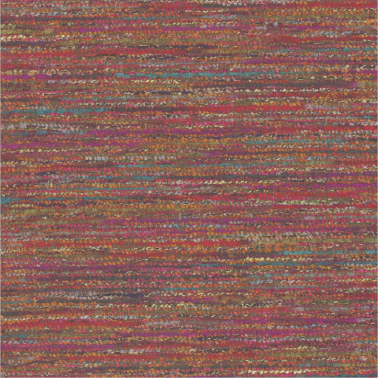
- Flecked, multi-tone color. Tweed is woven from two or more shades of yarn, so instead of a single flat color, it reads as a rich, complex blend, often with small flecks of contrasting color scattered throughout.
- Coarse, textured hand. The fabric has a rough, substantial feel underhand, a result of the thick wool yarns and traditional twill or herringbone weaves used to make it.
- Heavy weight. Tweed is denser and heavier than most decorative fabrics, giving it a sturdy, structured drape rather than a soft or fluid one.
- Natural water and stain resistance. Wool’s natural lanolin content gives tweed a degree of built-in water repellency and stain resistance, a holdover from its outerwear origins.
- Durability. Tweed was engineered to withstand rough outdoor conditions, so it holds up exceptionally well to everyday wear, making it a long-lasting choice for upholstery.